

19-Inch vs. 21-Inch Rack Cabinets: Which One Is Right for You?
26.10.2026
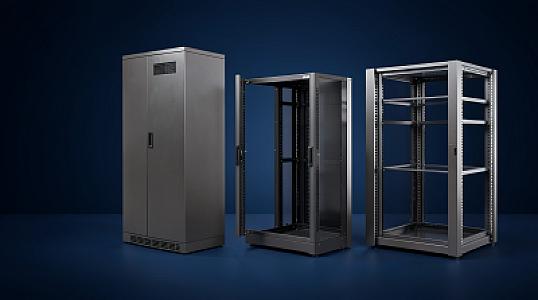
19-inch and 21-inch rack cabinets refer to two different width standards used for equipment mounting. In the selection of server, network, and telecom equipment, which width standard will be used directly affects existing device compatibility and industry practice. This article comparatively examines the differences between 19-inch and 21-inch rack cabinets, their areas of use, and the criteria to consider for the right choice. Especially for B2B buyers expanding an existing equipment inventory or planning a new field/data center project, this comparison provides a practical reference in terms of procurement and long-term compatibility.
What Are Rack Cabinet Width Standards?
A 19-inch rack cabinet is the most widely used industry standard in the telecom, network, and server sector, based on the EIA-310 standard; equipment mounting width and screw hole spacing are defined according to this standard. A 21-inch rack cabinet is a less commonly used width standard found in certain specialized telecom and energy sector applications. (Details regarding which specific organization defines the 21-inch standard and how widely it is used have been flagged in this article as a point requiring verification; for precise/current information, consulting the relevant standard document is recommended.) Rack cabinet width is the fundamental measurement that determines the physical compatibility of every piece of equipment to be mounted in the cabinet; therefore, clarifying which standard will be used at the beginning of a project eliminates the risk of later equipment changes or incompatibility. In addition, 19-inch and 21-inch cabinets may differ not only in width but, in some cases, also in mounting hole spacing and rail system compatibility; therefore, the mounting template of existing equipment should be confirmed with the manufacturer before ordering a new cabinet.
19-Inch Rack Cabinet Features and Areas of Use
A 19-inch rack cabinet is directly compatible with the vast majority of servers, network switches, patch panels, and telecom equipment. This width standard is widely used in data centers, network rooms, telecom exchanges, and almost every B2B facility with IT infrastructure. The fact that the most widely produced and stocked equipment in the sector is designed according to this standard also provides an advantage in terms of procurement and integration. Thanks to this broad ecosystem, organizations using 19-inch rack cabinets can seamlessly combine equipment from different manufacturers within the same cabinet; this also [the source text is corrupted here, and the sentence cannot be completed reliably].
21-Inch Rack Cabinet Features and Areas of Use
A 21-inch rack cabinet is a width standard used to be compatible with certain specialized telecom or energy sector equipment that requires a wider mounting area. These types of cabinets serve a more limited equipment ecosystem compared with the 19-inch standard and are generally preferred in special projects where the existing infrastructure is already based on 21-inch equipment. Whether Ager’s product catalog includes a 21-inch product could not be confirmed in this review; therefore, for projects requiring 21-inch, it is recommended to contact the Ager technical team directly. For this reason, before deciding on a 21-inch rack cabinet, it should be verified through the technical specification that the equipment to be used actually requires this width; the decision should not be made based on a general assumption such as “it can be preferred because it is wider.” Choosing the wrong standard can later cause equipment incompatibility or additional adaptation costs.
When Should 19-Inch Be Preferred, and When 21-Inch?
If a new IT infrastructure is being installed or the existing equipment consists of standard server/network/telecom devices, a 19-inch rack cabinet should be the default choice due to its broad product ecosystem and easy procurement advantage. A 21-inch rack cabinet should be evaluated only in cases where the existing infrastructure or the specialized equipment to be used requires this standard; in such projects, it is recommended not to make a decision before compatibility is clarified with the equipment supplier. In mixed inventories—projects containing both 19-inch and 21-inch equipment—planning separate cabinet groups suitable for each standard prevents confusion and installation errors.
Points to Consider When Choosing Rack Cabinet Width
The following three points should be evaluated first when choosing width: which standard the existing or planned equipment is manufactured to, which standard the future expansion/equipment addition plan will be based on, and which standard is widely used in the sector/organization. For all general selection criteria such as material, U capacity, and mounting type, please see the article “7 Criteria to Consider When Choosing a Rack Cabinet.”
Practical checklist: determine which standard the existing equipment inventory complies with, review the expansion plan for the next 3–5 years, confirm width compatibility with the supplier/manufacturer, and, if there is a mixed inventory, separate cabinet groups according to standard.
In conclusion, the 19-inch rack cabinet continues to be the dominant standard in today’s IT and telecom infrastructure; 21-inch is a niche alternative required only in certain specialized applications. As the Ager Technical Department, we recommend that project teams make the width standard decision together with the equipment supplier and verify it through the technical specification. For general rack cabinet selection criteria such as material, U capacity, mounting type, and warranty, you can see our article “7 Criteria to Consider When Choosing a Rack Cabinet.”
Frequently Asked Questions
What does a 19-inch rack cabinet mean?
A 19-inch rack cabinet is the most widely used rack cabinet width standard in the telecom/network/server sector, based on the EIA-310 standard, in which the equipment mounting width is 19 inches. The vast majority of equipment on the market, such as servers, switches, and patch panels, is manufactured in accordance with this standard.
In which sectors is a 21-inch rack cabinet used?
A 21-inch rack cabinet is a less commonly used width standard found in certain specialized telecom and energy sector applications. Precise/current information about the scope and prevalence of this standard requires verification; before use, it is recommended to consult the relevant standard document or the equipment supplier.
How does rack cabinet width affect equipment selection?
Rack cabinet width directly determines the physical compatibility of the equipment that can be mounted in the cabinet. Choosing a cabinet with the wrong width standard may result in existing or planned equipment not being mountable or may lead to additional adaptation costs; therefore, equipment-cabinet compatibility should be confirmed through the technical specification before purchasing.